Source Brake Valve for Trucks, Construction, and Industrial Machinery
Compare 30 brake valve options including brake systems and valves for front and rear applications. Buyers can review specifications like nominal pressure, flow rates, and material types from verified Chinese suppliers.
Key considerations
Products List


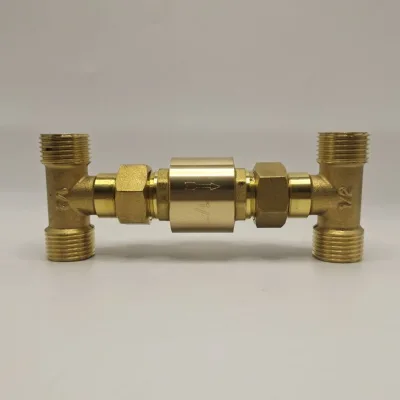



Comprehensive Sourcing Guide
Strategic Sourcing Guide for Industrial Brake Valves
Understanding Technical Specifications and Core Attributes
When sourcing brake valves for heavy-duty automotive or industrial applications, the primary objective is to align the component's physical and functional attributes with the specific operational requirements of the vehicle or machinery. The market offers a diverse range of configurations, and a successful procurement strategy begins with a rigorous analysis of the technical specifications provided by potential suppliers. In the current landscape, brake valves are often categorized by their intended position within the braking system, such as front or rear applications. This distinction is critical because the hydraulic or pneumatic pressure dynamics differ significantly between the front and rear axles.
Material composition is another fundamental specification that dictates the durability and performance of the valve. While some components in the broader brake system may utilize rubber or steel reinforcement layers, the valve body itself is frequently constructed from steel to withstand high-pressure environments. Buyers must verify the specific material grade, as the standard for the valve's structural integrity often references specific industry norms. For instance, certain models in the supply chain are noted to have a nominal pressure rating of 200 Bar, with a nominal flow rate of 36 L/Min. These numerical values are not universal; they represent specific product models, such as those with the designation "Brake Valve" and specific model codes.
The construction of the valve also involves intricate details regarding its internal structure. The "Structure" attribute is a key identifier, often described simply as a "Brake Valve" but requiring deeper verification of the internal mechanism. Whether the valve is designed for a triple axle configuration or a standard two-axle setup, the internal architecture must match the system's load requirements. Furthermore, the surface treatment, such as yellow or white strip markings, serves as a visual indicator of the manufacturing process and quality control measures. These markings, along with words that may be printed or embossed on the component, provide immediate verification of the part's identity and origin.
Compliance, Certification, and Standard Verification
Navigating the compliance landscape for brake valves requires a meticulous approach to verifying certifications and adherence to international standards. The global supply chain for automotive parts is heavily regulated, and a failure to verify these documents can lead to significant operational risks. The supplied data indicates that products in this category often carry certifications such as DOT (Department of Transportation) and ISO/TSIATF-ISO. These certifications are not merely marketing labels; they represent a commitment to meeting specific safety and quality benchmarks required for operation in major markets like North America, South America, and Europe.
When evaluating a supplier, buyers must demand evidence of these certifications. The presence of a certification listing that includes "Main Market" regions such as Eastern Europe, Western Europe, and Southeast Asia suggests that the product has been tested for compliance in those specific jurisdictions. However, it is essential to treat these as observations of specific product listings rather than universal guarantees for every item in a catalog. The standard "GB16897" and "SAE J1401" are specific technical standards referenced in the industry for brake hoses and related components. While these standards are explicitly mentioned for hoses, they often inform the broader testing protocols for the entire brake system, including valves.
Buyers should also be aware of the "Standard" attribute, which can vary based on customer needs. Some listings indicate a standard of "By The Customer Needs," which implies a high degree of customization. In these cases, the supplier must be able to demonstrate that their manufacturing process can adapt to specific regional or client-specific standards. The absence of a universal standard like "ISO 9001" in the high-confidence facts does not negate its importance; rather, it highlights the need for the buyer to explicitly request and verify quality management system certifications during the negotiation phase. The "CE" mark is a common expectation in European markets, and its presence should be confirmed through valid documentation rather than assumed based on general market knowledge.
Cost Drivers and Pricing Dynamics
The pricing of brake valves is influenced by a complex interplay of factors, including material costs, customization levels, and logistical requirements. The observed price range in the market spans from $0.05 to $99,999, a vast disparity that reflects the difference between individual small components and complete, customized assemblies or bulk industrial orders. For a standard brake valve, the cost is primarily driven by the material composition, such as the use of steel, and the complexity of the internal structure.
Customization is a significant cost driver. When a supplier offers "Customization: Available," it often entails additional engineering time, tooling costs, and smaller production runs, which can elevate the unit price. Conversely, standard models with fixed specifications, such as those with a model number like "WG9719300005," may benefit from economies of scale. The "MOQ" (Minimum Order Quantity) also plays a crucial role in the final cost per unit. The observed MOQ range of 1 to 3000 units indicates that buyers can source single units for prototyping or small projects, but larger orders typically secure better pricing tiers.
Logistics and packaging are other critical cost components. The "prod_packing" attribute reveals options ranging from simple plastic bags to complex wooden cases and pallets. For international shipping, the choice between "Ocean Freight" and "Air" shipment significantly impacts the total landed cost. While air freight offers speed, it is substantially more expensive, whereas ocean freight is cost-effective for large volumes but involves longer lead times. The "Shipment" method, whether by sea or air, must be factored into the total cost of ownership. Additionally, the "Condition" of the product, typically listed as "New," ensures that the buyer is not incurring hidden costs associated with refurbishing or repairing used components.
Typical Applications and System Integration
Brake valves are integral to the safety and functionality of heavy-duty vehicles and industrial machinery. The specific applications for these components are defined by the vehicle's axle configuration and the type of braking system employed. The data indicates that these valves are used in systems ranging from "Front" to "Rear" positions, suggesting their deployment across various axles of a single vehicle. In some configurations, the valves are part of a "Triple Axle" setup, which is common in heavy haulage and construction equipment where load distribution is critical.
The "Type" of the valve, such as "American type axles," points to specific design philosophies and compatibility requirements. This classification is vital for buyers sourcing parts for fleets that adhere to specific regional standards. The "ABS" (Anti-lock Braking System) compatibility is another key application factor. Listings that mention "All Categories" for ABS suggest that the valves are designed to integrate seamlessly with modern electronic braking systems, ensuring that the valve can respond rapidly to sensor inputs without compromising system stability.
Furthermore, the "After-Sales Service" attribute, specifically "24 Hours Online," indicates that these valves are deployed in applications where downtime is unacceptable. Industries such as logistics, mining, and public transportation rely on the immediate availability of technical support to resolve issues quickly. The "OEM: Yes" designation confirms that these valves are suitable for original equipment manufacturing, meaning they can be used in the initial assembly of new vehicles or as direct replacements in maintenance scenarios. The "Max Payload" of 1000kg for related components highlights the load-bearing capacity of the broader system, reinforcing the need for valves that can handle substantial hydraulic or pneumatic loads.
Supplier Evaluation and Selection Criteria
Selecting the right supplier for brake valves requires a comprehensive evaluation of their capabilities, reliability, and market reach. The "prod_origin" field provides a starting point, with locations such as "China," "Cangzhou," and "Jinan" being prominent hubs for automotive component manufacturing. While these locations indicate the source of the goods, buyers must look beyond geography to assess the supplier's actual production capacity and quality control processes. The "Certification" details, which list a wide array of markets including "South America," "North America," and "Eastern Europe," serve as a proxy for the supplier's experience in navigating diverse regulatory environments.
A robust supplier evaluation should include a review of their "Standard" adherence. Suppliers who state their standard is "By The Customer Needs" demonstrate flexibility, but buyers must ensure that this flexibility does not come at the expense of quality. The "Surface" treatment, such as "Yellow / White Strip," and the "Words Mark" options, whether "Printing or Embossed," are indicators of the supplier's attention to detail and traceability capabilities. These features allow for easy identification of the part during installation and maintenance, reducing the risk of errors.
The "Shipment" capabilities, including options for "by Sea / by Air," are also critical for evaluating a supplier's logistical competence. A supplier that can offer multiple shipping methods is better equipped to handle urgent orders or large-scale deliveries. Additionally, the "After-Sales Service" commitment, such as "24 Hours Online," is a strong indicator of a supplier's dedication to customer satisfaction and long-term partnership. Buyers should prioritize suppliers who can provide comprehensive documentation, including test results and compliance certificates, to ensure that the brake valves meet the rigorous safety standards required for their specific applications.
Quality Control and Long-Term Procurement Strategies
Ensuring the long-term reliability of brake valves requires a proactive approach to quality control and strategic procurement planning. The "Condition" of the product, typically "New," is a baseline requirement, but buyers must also verify the manufacturing process to ensure that the valves are free from defects. The "Reinforced Layer" and "Construction" attributes, such as "5layers" and "Pet/PVA," are specific to related components like hoses, but they highlight the importance of material integrity in the broader brake system. For valves, this translates to a rigorous inspection of the steel construction and the sealing mechanisms to prevent leaks or failures under pressure.
Long-term procurement strategies should focus on building relationships with suppliers who offer consistent quality and reliable support. The "Standard" of "GB16897/ SAE J1401" provides a benchmark for quality, and buyers should ensure that their suppliers consistently meet or exceed these standards. The "Expansion Valume" and "Whip Test" data, while specific to hoses, underscore the importance of testing for durability and performance under stress. Buyers should request similar test data for the brake valves to verify their ability to withstand the dynamic pressures of real-world operation.
Finally, the "prod_packing" options, ranging from "Plastic Bag" to "Wooden Case," play a role in protecting the valves during transit. Proper packaging is essential to prevent damage and ensure that the components arrive in perfect condition. By focusing on these quality control measures and maintaining a strategic approach to supplier selection, buyers can secure a reliable supply of brake valves that meet the demanding requirements of modern transportation and industrial applications. This disciplined approach minimizes risk and ensures that the braking systems remain safe and efficient throughout their operational lifespan.
FAQs
What certifications do brake valves typically hold?
Brake valves often hold DOT and ISO/TSIATF-ISO certifications. These documents verify compliance for major markets like North America and Europe, ensuring the product meets specific safety and quality benchmarks required for operation.
Which materials are used to construct brake valves?
Brake valves are frequently constructed from steel to withstand high-pressure environments. Some related components may also utilize rubber or steel reinforcement layers depending on the specific application and structural requirements.
Can brake valves be customized for specific needs?
Yes, customization is available for many brake valve models. Suppliers often adapt standards to customer needs, allowing for specific modifications in construction, surface treatment, or markings to match unique operational requirements.
What is the typical price range for brake valves?
The observed price range spans from 0.05 to 99999 USD. This vast disparity reflects differences between individual small components and complete, customized assemblies or bulk industrial orders based on volume and complexity.
How are brake valves packaged for shipment?
Packaging options include plastic bags, cartons, pallets, or wooden cases. The specific method, such as ocean freight or air shipment, is selected based on the order size and logistical requirements of the buyer.
Where are brake valve manufacturers located?
Manufacturers are primarily located in China, with specific hubs in Cangzhou and Jinan. These locations indicate the source of goods, though buyers must verify production capacity and quality control processes beyond geography.
What standards do brake valves adhere to?
Brake valves often adhere to standards like GB16897 and SAE J1401. Some listings indicate standards are set by customer needs, requiring verification of specific technical norms for structural integrity and performance.